Garmin Acquires Moxy Monitor: Native Muscle Oxygen Tracking Coming Soon?
Garmin’s latest move in fitness technology could bring a new level of muscle performance tracking to its ecosystem. The reported acquisition of Moxy Monitor has raised questions about whether Garmin could introduce native muscle oxygen tracking in its future wearables.
Muscle oxygen monitoring can offer athletes another way to understand how their bodies respond to training. For Garmin users, the potential integration could make advanced performance data more accessible during workouts.
Garmin’s Moxy Monitor Acquisition: What We Know
According to a report published by The5krunner on September 22, 2026, Garmin has acquired Moxy Monitor, a company known for its muscle oxygen monitoring technology.
The report cites a source with direct knowledge of the transaction. Moxy founder Roger Schmitz also responded to an inquiry by directing questions to Garmin’s media relations team.
However, Garmin has not officially announced the acquisition, and neither company has released a formal statement confirming the deal. The reported acquisition should therefore be treated as unconfirmed publicly.
What Is Moxy Monitor?
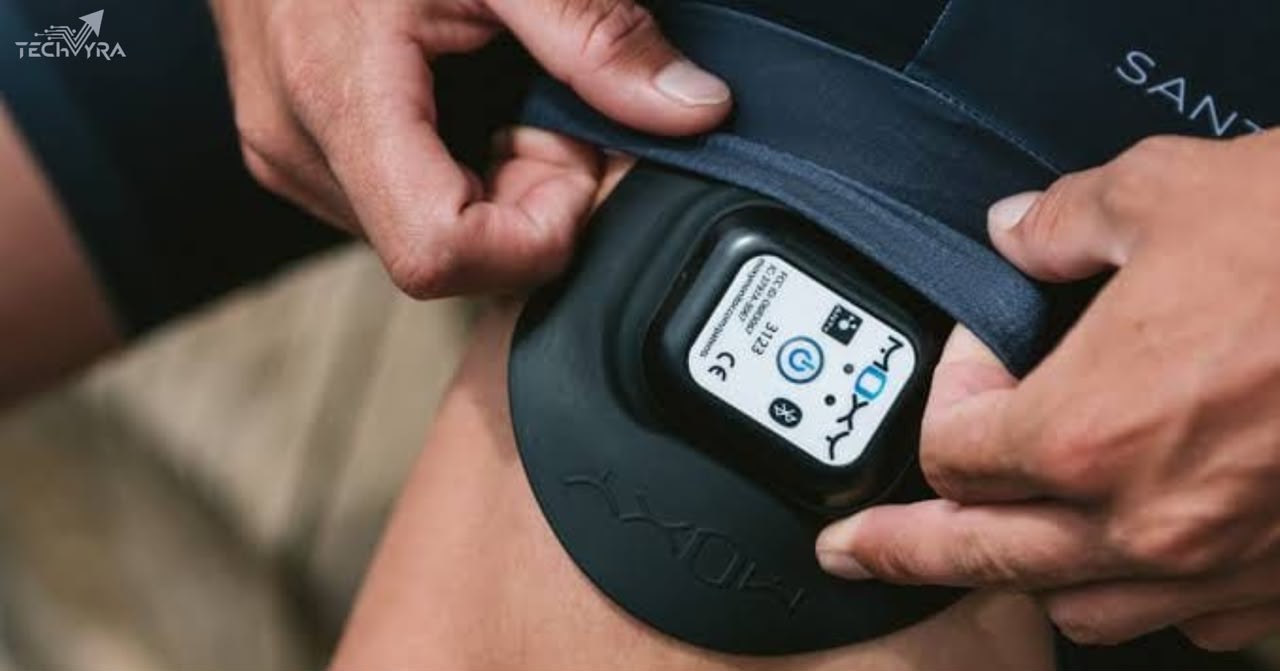
Moxy Monitor makes wearable sensors that measure muscle oxygen saturation, commonly known as SmO2.
Unlike a regular fitness watch, Moxy’s sensor is placed directly over the muscle being monitored. It uses near-infrared spectroscopy (NIRS) to estimate how much oxygen is available in the muscle tissue.
The technology is designed for athletes, coaches and sports researchers who want a closer look at how muscles respond to exercise.
Moxy already supports Garmin devices through ANT+ connectivity, allowing compatible watches and bike computers to display and record muscle oxygen data from an external sensor.
Why Garmin Could Be Interested in Muscle Oxygen Tracking
Garmin already offers several fitness and training metrics, including heart rate, training load and recovery-related insights.
Muscle oxygen tracking could add another layer of information by showing how a particular muscle responds to physical effort.
For runners, cyclists and endurance athletes, this could help them understand changes in muscle oxygen levels during intense workouts and recovery periods.
The acquisition could also give Garmin greater control over the sensor hardware and data used in future performance features, rather than relying entirely on third-party devices.
Garmin’s Muscle Battery Trademark Adds to the Speculation
Garmin’s reported Moxy acquisition comes after another interesting development.
In February 2026, Garmin filed a trademark application for Muscle Battery, a name associated with software and algorithms based on muscle oxygen saturation data.
The filing has fuelled speculation about a future Garmin feature that could use SmO2 readings to provide insights into muscular fatigue and recovery.
However, a trademark application does not confirm that a product is ready for launch. Garmin has not announced a Muscle Battery release date or confirmed which devices might support it.
Will Garmin Introduce Native Muscle Oxygen Tracking?
The big question is whether Garmin will turn Moxy’s technology into a native feature for its own fitness ecosystem.
If the reported acquisition leads to new Garmin hardware, the company could develop a dedicated muscle oxygen sensor that works closely with its watches and training software.
But there is one important limitation: muscle oxygen cannot simply be measured through a standard wrist-based optical sensor. The sensor needs to sit over the muscle being monitored.
That means future Garmin muscle oxygen tracking may require a separate wearable sensor rather than a simple software update for existing watches.
For now, Garmin has not confirmed a new SmO2 sensor, a Muscle Battery feature or a launch timeline.
What This Could Mean for Garmin Watch Users
Garmin users who already own compatible Moxy sensors can use existing ANT+ support to access muscle oxygen data.
A deeper integration could potentially make that experience more seamless, especially for athletes who want to track multiple performance metrics in one place.
However, there is no confirmed information about future device compatibility, pricing or whether Garmin plans to keep Moxy products available under their existing branding.
Until Garmin shares more details, users should not assume that current watches will receive native muscle oxygen tracking through a software update.
Garmin Moxy Acquisition: What Happens Next?
The reported acquisition puts muscle oxygen monitoring back in the spotlight, particularly for athletes who rely on detailed training data.
Garmin’s Muscle Battery trademark and its reported acquisition of Moxy Monitor have added to speculation about the company’s future fitness technology plans.
Still, the details remain unclear. Garmin has yet to publicly confirm the acquisition or announce a new muscle oxygen product.
For now, Garmin users will have to wait for an official announcement before drawing conclusions about future features, supported devices or availability.
FAQs
1. Has Garmin officially acquired Moxy Monitor?
The5krunner reported the acquisition on September 22, 2026, citing a source with direct knowledge. However, Garmin has not publicly confirmed the deal.
2. What is muscle oxygen tracking?
Muscle oxygen tracking measures SmO2, or muscle oxygen saturation. It helps athletes monitor oxygen levels in a specific muscle during exercise and recovery.
3. Will Garmin watches get native muscle oxygen tracking?
It is possible, but Garmin has not announced a native SmO2 feature or compatible devices. Future tracking may require a dedicated external sensor.
4. What is Garmin Muscle Battery?
Muscle Battery is a trademarked name linked to software and algorithms based on muscle oxygen saturation data. Garmin has not confirmed a release date or the final features.